Essential Wildlife Removal Services: Why Professional Help Is Necessary for Professional Help for Safe and Reliable Solutions
Animal intrusions can pose significant dangers to health and property. Many homeowners misjudge the intricacies associated with safely removing animals. Pursuing DIY solutions often leads to ineffective outcomes and possible hazards. Professional wildlife removal services offer the expertise needed to address these issues. Their understanding of animal behavior and legal regulations is critical. As the importance for humane and safe removal becomes evident, the next step is understanding how to access these services effectively.
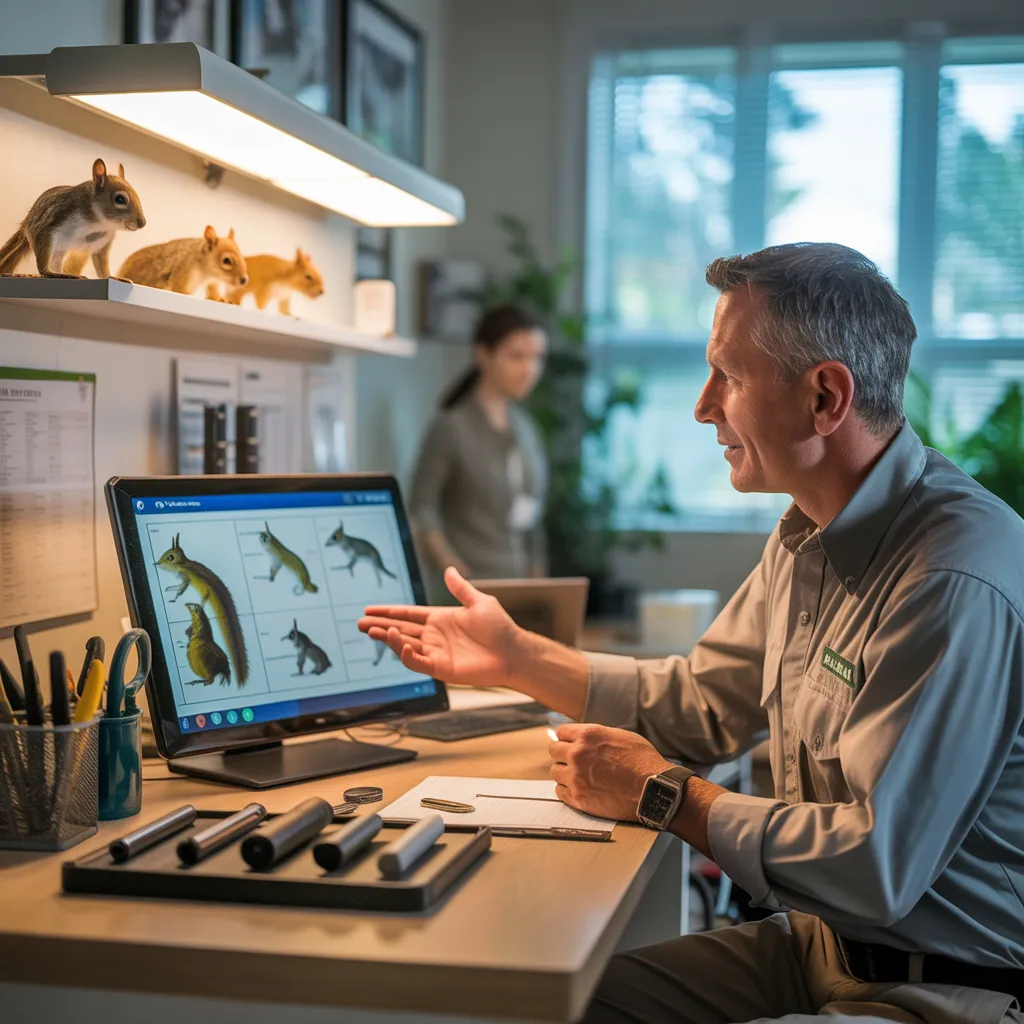
Grasping the Perils of Do-It-Yourself Wildlife Removal
Even though several homeowners might consider eliminating wildlife themselves to preserve both money and time, the potential dangers connected to DIY wildlife removal can be substantial. Attempting to handle animals without sufficient knowledge can result in significant injuries, as many species can bite or scratch when under threat. In addition, homeowners might accidentally subject themselves to zoonotic diseases, which may be transmitted from wildlife to humans.
Inappropriate removal methods can also aggravate the condition, as animals may become trapped in inaccessible spaces, leading to more harm than good. Additionally, local laws and regulations may restrict the handling of certain wildlife species, causing potential legal consequences.
Inexperienced individuals may wrongly recognize species, producing ineffective or harmful removal methods. The likelihood of property damage increases when wildlife is mishandled, leading to costly repairs. Thus, understanding these risks demonstrates the necessity of seeking professional assistance for secure and successful wildlife removal.
The Importance of Professional Expertise
When dealing with wildlife removal, the expertise of professionals is crucial to ensure both safety and effectiveness. Trained specialists possess a complete understanding of various animal behaviors, habitats, and the potential risks associated with wildlife encounters. Their knowledge helps them assess situations accurately and implement appropriate strategies customized for each unique scenario.
Moreover, professionals are equipped with the necessary tools and methods to handle wildlife in a safe manner, decreasing the risk of injury to both persons and animals. They are familiar with local regulations pertaining to wildlife management, providing compliance and ethical practices throughout the removal process. In addition, their experience helps in preventing future infestations by pinpointing entry points and suggesting preventive measures.
Protected and Ethical Animal Removal Techniques
In the realm of wildlife removal, humane and safe methods are essential. This includes the use of humane capture techniques, habitat restoration practices, and proven relocation and release approaches. Such techniques not only prioritize the safety of the animals but also preserve the ecological balance in their natural surroundings.
Humane Trapping Methods
Although wildlife removal often evokes worries about animal welfare, ethical trapping methods offer humane solutions for managing human-animal conflicts. These approaches prioritize the well-being of the animals involved while effectively solving issues. Professionals employ traps designed to minimize stress and injury, allowing captured animals to remain unharmed. Live traps, for instance, enable safe relocation, ensuring that animals are transported to suitable habitats where they can thrive. Moreover, ethical trapping involves regular monitoring to prevent prolonged confinement. This approach not only protects animal welfare but also fosters coexistence between humans and wildlife. By implementing ethical trapping practices, wildlife removal services can effectively manage conflicts while upholding a commitment to compassion and responsibility towards all living creatures.
Restoration Practices for Habitats
Habitat restoration techniques serve a crucial function in compassionate and safe wildlife control approaches by resolving the underlying reasons of human-wildlife confrontations. By restoring natural habitats, these techniques create conditions that are less favorable for unwanted animal intrusions. This can involve restoring native vegetation, enhancing water sources, and eliminating invasive species that disrupt local ecosystems. Applying proper landscaping techniques can also reduce food sources that attract wildlife into residential areas. Moreover, habitat restoration promotes biodiversity, enabling native species to thrive while preventing problematic wildlife. Professional wildlife removal services often include these methods into their strategies, providing a long-term solution that encourages coexistence between humans and animals while minimizing future conflicts.
Relocation and Release Strategies
Relocation and release methods function as vital elements of humane wildlife removal services, providing a compassionate alternative to extermination. These approaches focus on capturing animals safely and transporting them to appropriate habitats away from human dwellings. Professionals employ specialized traps designed to minimize stress and injury, ensuring the animals remain unharmed during the process. After capture, detailed assessments are conducted to determine the optimal new environment for the species involved, taking into account their specific needs and natural behavior. This approach not only protects the wildlife but also aids in maintaining ecological balance. By utilizing relocation and release techniques, wildlife removal services contribute to a harmonious coexistence between humans and animals, fostering ethical responsibility toward nature.
Preventing Future Wildlife Invasions
What methods can property owners use to effectively protect their homes from future wildlife invasions? One successful technique centers on protecting the dwelling's external surfaces. This includes sealing gaps, cracks, and holes, particularly around windows, doors, and foundations. Installing screens on vents and chimneys further deters wildlife from entering.
Additionally, homeowners should upkeep their yards by cutting trees and shrubs, which can offer easy access to roofs and attics. Maintaining food sources, such as garbage bins and pet food, securely stored is also important.
Incorporating native plants into landscaping may prevent particular wildlife from getting close to the property. Moreover, property owners should consider installing fencing, confirming it is placed a few inches beneath the surface to deter animals that burrow. Routine property examinations can assist in detecting possible entry points prior to them becoming problematic. By putting these proactive strategies into practice, residents can considerably lower the chances of wildlife incursions and copyright a secure home environment.
Wildlife Protection Laws and Legal Considerations
Grasping the legal landscape surrounding wildlife protection is vital for homeowners who are taking steps to protect their properties. Multiple laws and regulations control the treatment of wildlife, often designating species as protected or non-protected. Homeowners should familiarize themselves with local and federal laws to avoid accidental violations when addressing wildlife intrusions.
As an illustration, numerous states ban the catching or killing of particular animals without proper permits. Moreover, some species may only be relocated under particular conditions, demanding professional intervention. Breaking these legal regulations can lead to hefty fines and legal consequences.
Property owners are advised to seek professional wildlife removal technicians who hold the appropriate expertise in wildlife protection laws. These specialists not only ensure compliance with regulatory standards but also employ humane methods for wildlife removal, supporting ethical treatment of animals while effectively resolving the situations at hand. This understanding ultimately safeguards both the homeowner and the wildlife involved.
Comprehensive Evaluation and Inspection Offerings
Detailed assessment and evaluation services are vital for proper wildlife management. These services encompass a thorough property inspection to locate signs of wildlife activity, as well as examining any damage and prospective risks related to infestations. By conducting an comprehensive analysis, professionals can devise focused strategies for removal and prevention.
Complete Property Evaluation
A thorough property examination serves as the cornerstone of efficient wildlife removal services. This thorough assessment involves examining both the interior and exterior of a property to identify likely entry points and suitable conditions for wildlife habitation. Experienced professionals systematically examine areas such as attics, basements, and crawl spaces, along with the surrounding landscape. They examine structural integrity and analyze any signs of damage caused by wildlife activity. This initial assessment not only helps in recognizing the type of wildlife present but also informs the development of a customized removal strategy. By addressing particular vulnerabilities, the inspection ensures a proactive approach, decreasing the likelihood of future infestations and promoting lasting solutions for homeowners.
Spotting Wildlife Activity
Upon completing a thorough property inspection, the following phase includes identifying wildlife activity through meticulous inspection and assessment services. Professionals employ multiple techniques to detect traces of wildlife presence, including detecting droppings, fur, and footprints. They evaluate entry points, such as gaps in walls or roofs, and evaluate areas that may serve as nesting sites. Inspectors also listen for unusual sounds, indicating the presence of animals. By implementing specialized tools, they can monitor for movement and activity patterns. This thorough approach not only helps in pinpointing wildlife but also helps with understanding the type of species involved. Accurate identification is essential for developing effective removal strategies and ensuring the safety and integrity of the property.
Evaluating Damage and Potential Risks
Since wildlife activity can lead to considerable property damage and health risks, it is essential to conduct a thorough assessment of affected areas. Professional wildlife removal services utilize trained inspectors who assess potential entry points, nesting sites, and the extent of damage caused by invasive species. These assessments include examining insulation, wiring, and structural integrity, as well as identifying hazardous droppings or urine that may pose health threats. By systematically documenting findings, specialists can provide property owners with a detailed understanding of potential hazards. This comprehensive analysis not only facilitates effective removal strategies but also aids in preventing future infestations. In the end, professional assessments are vital for guaranteeing safety and maintaining the integrity of residential and commercial properties.
Choosing the Right Wildlife Removal Service for Your Situation
What steps should one take to ensure selecting the correct wildlife removal service for their unique circumstances? To begin with, it is crucial to examine local companies and check their credentials. A reliable service should possess proper licenses, insurance, and certifications, ensuring compliance with local regulations. Customer reviews and testimonials can deliver information into a company's reputation and effectiveness.
Subsequently, review the practices used by potential services. Eco-friendly and humane removal practices are increasingly important to a lot of homeowners. A reputable service should give priority to safety for both the wildlife and the environment.
Additionally, question regarding guarantee policies and aftercare services. A credible company will offer commitments about the effectiveness of their solutions and deliver follow-up services if called for.
In conclusion, getting multiple quotes can help assess the market rate, ensuring a fair price without reducing quality. By implementing these steps, property owners can make an informed decision customized to their wildlife removal needs.
Common Questions
What Kinds of Wildlife Do Professionals Typically Remove?
Professionals commonly remove numerous wildlife, including bats, raccoons, squirrels, snakes, birds, and opossums. These animals commonly invade homes or properties, creating potential health risks and property damage, warranting expert intervention for safe removal.
How Much Does Wildlife Removal Typically Cost?
Wildlife removal expenses informative guide generally range from $100 to $1,500, contingent upon factors such as the variety of animal, seriousness of the infestation, and needed repairs. Pricing may also fluctuate by region and service provider.
Are Any Guarantees Provided by Wildlife Removal Services?
Numerous wildlife removal experts provide guarantees, frequently addressing the effectiveness of their approaches and follow-up visits. However, exact terms and conditions range by contractor, so clients should inquire about requirements before employing a company.
What Is the Typical Duration of the Wildlife Removal Process?
Wildlife removal typically requires a few hours to several days, contingent upon the degree of the infestation and the complexity of the situation. Every situation is different, determining the total timeline for resolution.
Are Wildlife Removal Services Also Able to Repair Damage Caused by Animals?
Absolutely, wildlife removal services commonly encompass restoration of damage produced by animals. Technicians examine the situation, address structural issues, and ensure that entry points are blocked to avoid future infestations, offering comprehensive solutions for property protection.